15Sep
New Batch: PG Diploma / Advanced Diploma in Clinical Research — Offline, Bangalore
Local Time:
Sep 15 2026 - Mar 03 2027 |
6:30 am - 10:00 am
Bangalore-Offline Classes
The CRA / CRC Training Program at Bangalore Clinical Research Institute is designed to prepare learners for both site-level (CRC) and monitoring-level (CRA) roles in clinical research. The program focuses on real-world clinical trial execution, site coordination, monitoring basics, documentation, and regulatory compliance—making it ideal for candidates targeting hospital-based roles, SMOs, and CRO entry positions.


At Bangalore Clinical Research Institute (BCRI), our CRA / CRC Training Program is designed to prepare learners for site-level (CRC) and entry-level monitoring (CRA – trainee) roles in the clinical research industry.
The program delivers an industry-aligned curriculum, covering clinical trial execution, site coordination, GCP compliance, and documentation practices followed by CROs, hospitals, and research organisations. Training is led by experienced industry professionals with real-world clinical research exposure.
Learners benefit from a hands-on learning approach, including practical demonstrations, real study scenarios, and role-specific guidance to build confidence for CRA/CRC responsibilities.
Whether you choose live online training or offline classroom sessions at our HSR Layout, Bengaluru campus, the program provides structured mentoring, practical exposure, and internship assistance (optional) to support career entry into clinical research.
Join BCRI’s CRA / CRC Training Program — a job-oriented course designed for life sciences and healthcare graduates.
Trusted by 1000+ students and recognised for industry-aligned training, internship support, and career guidance across CROs, hospitals, and research organisations.
Interview assistance with CROs, hospitals & site management organizations
Based on ICH-GCP guidelines and regulatory expectations followed by CROs and sponsors
Optional clinical internship with real site-level trial exposure (subject to eligibility)
Trainers with hands-on experience in CRO, sponsor & site-side clinical operations
Learn coordination with project managers, investigators & cross-functional teams
At Bangalore Clinical Research Institute, the CRA / CRC Training Program offers a unique combination of offline classroom learning and structured internship support, designed to prepare learners for real-world clinical research roles.
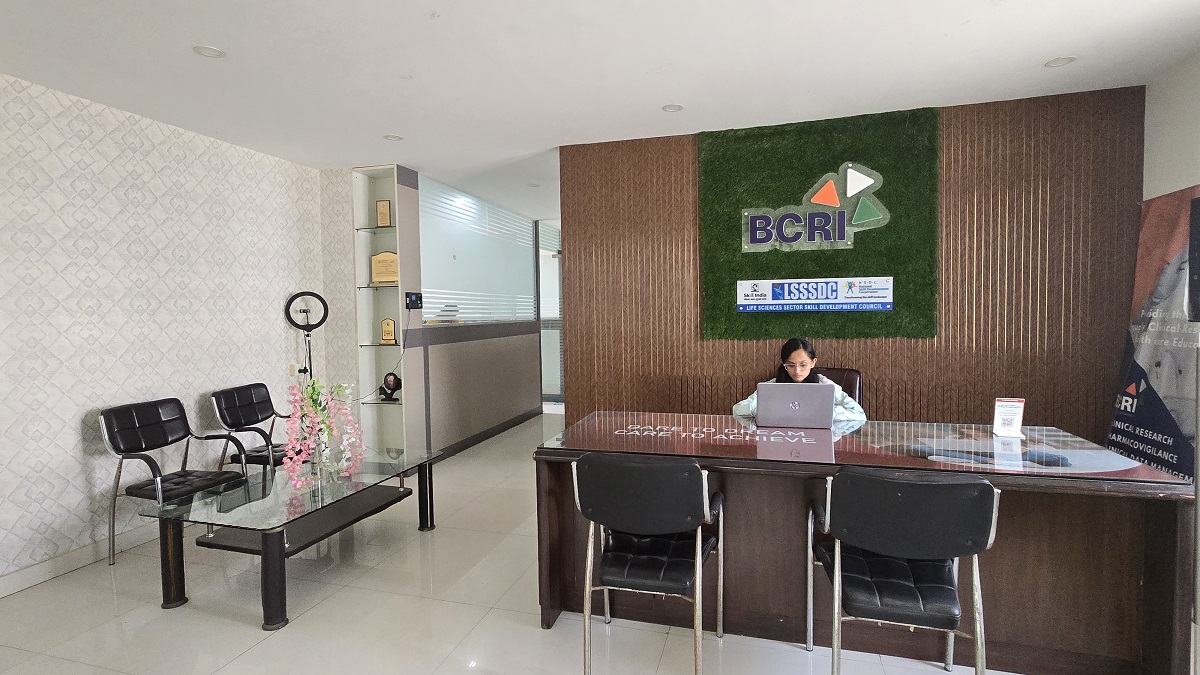
Offline classroom training is conducted at BCRI’s HSR Layout, Bengaluru campus, providing students with a professional learning environment, direct interaction with experienced faculty, and guided practical sessions aligned with industry workflows.
Classroom sessions focus on site-level clinical trial operations, including study documentation, patient coordination, GCP compliance, and practical understanding of monitoring and site management processes.
In addition to training, eligible students may receive internship assistance with hospitals, Site Management Organisations (SMOs), or research sites. The internship pathway is designed to provide hands-on exposure to live clinical research activities, helping learners gain confidence and practical experience required for CRC and entry-level CRA roles.
BCRI’s CRA Training Program offers comprehensive 1.5-month training covering clinical trial phases, ICH-GCP, regulatory guidelines, monitoring practices, and site management responsibilities.
Learn the basics of clinical research, phases I–IV, CRA/CRC roles, CROs, and trial sponsors.
Master ICH-GCP, informed consent, regulatory bodies (FDA, EMA, DCGI), IND/NDA filings, and ethics committees.
Site selection, subject recruitment, CRFs, visit types, AE/SAE handling, protocol deviations & ICF tracking.
Source documents, TMF/eTMF, electronic CRFs, EDC systems (Medidata, Oracle), and query resolution.
Gain hands-on knowledge in SDV, site visit reports, audit readiness, protocol compliance, and RBM techniques.
Manage timelines, budgets, site communications, trial logistics, and investigator relationships.
Learn CTMS, eTMF, IVRS/IWRS, remote monitoring tools, and tech integrations in DCT (Decentralized Trials).
Assessment, mock interviews, resume building, and guidance on entering the CRA/CRC job market.
BCRI’s CRA Training Program is designed with one goal in mind — to make you industry-ready from day one. Whether you’re looking to enter the field as a Clinical Research Associate (CRA) or Clinical Research Coordinator (CRC), our program gives you the tools, knowledge, and confidence to succeed in real-world clinical trial settings.
Covers ICH-GCP, regulatory guidelines, site monitoring, TMF management, and clinical operations — aligned with global CRO and sponsor expectations.
Simulated site visit reports, protocol reviews, and real trial documentation exercises to build your monitoring and documentation skills.
Sessions delivered by experienced professionals working in CROs and sponsor organizations — with interactive case discussions and role-based assignments.
Optional hospital/SMO internships, along with resume support, mock interviews, and referrals through BCRI’s clinical research hiring network.
By completing this program, you’ll build essential technical and practical skills required to work as a Clinical Research Associate (CRA) or Clinical Research Coordinator (CRC) in hospitals, CROs, and sponsor organizations involved in global clinical trials.
✅ Key Skills You’ll Develop:
Learn the way that suits you best — attend offline classes at our Bangalore campus (HSR Layout) or join from anywhere through our interactive online sessions.
Revisit lectures anytime with 3-month access to recorded sessions on the BCRI Class app.
Master ICH-GCP, trial operations, and monitoring skills — aligned with global CRA/CRC role expectations.
Work on real-world scenarios to develop job-ready skills.
We assist with resume building, conduct mock interviews, and offer placement referrals to top recruiters across India.
Learn from certified professionals with years of hands-on experience in medical coding, billing, and clinical documentation.
Our Clinical Research Associates Training program is designed for individuals seeking a new career in clinical research or who want to change careers but aren’t sure which track to take. Many industry case studies and best practices are provided to demonstrate how the learning objectives relate to the responsibilities of CRAs and CRCs.
Flexible Learning, Career-Focused Training
| Feature | Details |
|---|---|
| 🧑🏫 Mode of Learning |
Online Live Classes Offline Classroom Training available at HSR Layout, Bengaluru |
| ⏳ Duration |
1.5 Months (Fast-Track & Weekend Batches Available) |
| 📚 Curriculum Coverage | ICH-GCP Guidelines, Regulatory Framework, CRA & CRC Roles, Monitoring Visit Types, Site Documentation & Trial Execution |
| 🩺 Eligibility | Life Sciences, Pharmacy, Nursing, Biotech, Allied Health or Medical Graduates |
| 🎥 Class Recordings | Up to 4 months access to live class recordings and study materials |
| 💼 Career & Placement Assistance | Resume preparation, interview guidance, and career support for opportunities with CROs, hospitals & SMOs |
| 🧾 Certification |
BCRI CRA / CRC Course Completion Certificate Training delivered by a LSSSDC recognised training partner |
| 🌐 Tools & Platforms Exposure | Practical exposure to CTMS, EDC, eTMF, IVRS / IWRS and monitoring-related templates |
Completing BCRI’s CRA Training Program prepares you for high-demand roles in clinical trial operations, site monitoring, and regulatory coordination. Whether you choose the CRA or CRC track, you’ll be qualified for entry-level to mid-level roles in hospitals, CROs, SMOs, and global sponsor organizations.
Join BCRI’s industry-recognized CRA Training Program — available both online and at our HSR Layout, Bangalore campus.
Learn from experienced CRAs, gain real-world clinical trial skills, and receive 100% placement support to begin your journey in global clinical research.
To become a Clinical Research Associate (CRA) needs to undergo a CRA training program that involves communication, relationship management, and Knowledge of clinical research and regulatory Guidelines. The CRA training program makes an individual expert in documenting protocols, adhering to regulations, and capturing site findings accurately ensuring the study’s quality and integrity.
Responsibilities include site monitoring, data verification, regulatory compliance, risk management, and ensuring the overall integrity of the clinical trial. As a CRA, you are the key bridge between management, the study site, and the sponsor. A stronghold in clinical research settings, good interpersonal skills, and a command of English are important. It is also critical and crucial to have fluency in the local language of the respective country you work in.
A clinical research associate (CRA) plans, prepares, and carries out clinical trials to test new or existing drugs, and devices, and assess their safety and benefits of use. The primary responsibilities of a CRA involve monitoring and ensuring the conduct of clinical trials per regulatory requirements and industry standards. CRA looks into Site Selection and Initiation, data collection, and documentation, Identify and assess potential risks and issues related to the conduct of the trial at investigational sites. The CRA training program makes him work stronger in this area.
Aspirants can get a CRA training program, where they gain a strong hold on pre-trial procedures, set up and organize clinical trial sites (with some supervision), and archive all the documents and correspondence. With the right combination of skills and experience you gain, can make a move into the role of senior CRA (SCRA), also known as a CRA
CRC facilitates the day-to-day operations of a clinical trial at the investigational site, working closely with the principal investigator and other study staff to ensure the smooth conduct of the trial, even in multiple sites
CRCs are responsible for the conduct and management of clinical trials at a particular site, whereas CRAs are involved with the regulatory and clinical oversight of multiple sites.
Aspirants interested in becoming a CRC can pursue a relevant, gain experience in a clinical or research setting program, and may consider certifications in clinical research coordination through a CRA/CRC training program. Applying for entry-level positions in clinical research or healthcare is a common starting point.
The responsibilities include patient recruitment, obtaining informed consent, data collection, maintaining documentation, communication with stakeholders, and overall coordination of activities at the investigational site and coordinating with multiple sites.
Similar to CRAs, CRCs typically need a bachelor’s degree in a relevant field with a proper CRA/CRC training program. Some employers may also value clinical research or coordination certifications.
The course duration is one month In- class.
1.5Month of 1 hour Each
Clinical experience is beneficial with CRC training program, and also experience in a healthcare or research setting can enhance a candidate’s qualifications.
I should be hired for this clinical role because of my relevant skills in clinical research gained by the CRA training program, and my passion for the industry. I’ve researched the company profile and can add value to its growth. My positive attitude, hard work, and long-term goals align with the job requirements, making me a committed and valuable resource to the company.
The Clinical Research Associate (CRA) Training Program is designed to prepare you for the responsibilities of a clinical research professional. Through a series of interactive Sessions, each participant will gain knowledge and skills in the following areas: how to effectively communicate with prospective participants and investigators, how to develop study designs, gather and analyze data, design appropriate ethics statements for studies and evaluate data when needed.
Yes, we provide online clinical research courses for international students in countries like USA, Canada, and Australia. These courses are readily available over the internet, allowing students to access them in their own time and from the comfort of their homes.
The Clinical Research Associate (CRA) Training Program at BCRI is designed to give you complete exposure to the clinical research process — from trial setup to regulatory compliance and study closure.
Whether you’re just starting or looking to switch careers, this job-focused training prepares you for real roles as a CRA or CRC.
📚 What You’ll Learn in This Program:
With practical training, mentor-led classes, and an optional internship, BCRI’s CRA Training Program helps you confidently enter the industry with job-ready skills and global awareness.
BCRI offers a wide range of clinical research and allied training programs in addition to the CRA Training Program. Depending on your background and career goals, you can explore:
👉 Advanced Diploma in Clinical Research (ADCR) – Includes Clinical Research, CDM & Pharmacovigilance
👉 PG Diploma in Clinical Research – Ideal for those seeking specialization in clinical operations and regulatory affairs, SAS or CRA/CRC.
👉 Clinical Data Management (CDM) Training – Learn data cleaning, CRF design, and validation tools
👉 Pharmacovigilance Training – Focused on drug safety reporting, signal detection, and global compliance
👉 SAS Clinical Programming Course – For those looking to enter data analysis in clinical trials
You can combine multiple programs or upgrade after CRA Training based on your career goals.
Meet Aarthi P, a student of our Advanced Diploma in Clinical Research (ADCR) at BCRI. Even before completing the course, she landed a job at ICON PLC Clinical Research—a proud moment for her and for us!
In this short video, Aarthi shares how BCRI’s live online classes, practical training, and career support helped her achieve her dream job in the clinical research industry.
📢 Why Students Choose BCRI:
✔ Job-focused training with real-world projects
✔ Expert guidance from experienced faculty
✔ Internship and placement support that delivers results
WhatsApp us
Our Team would love to Guide you to select the right course here .
Recognized Training Partner under Life Sciences Sector Skill Development Council
Live mentor support • Internship & placement assistance*